
Tadipatri Temple Reveals 1539 Achyuta Deva Inscription
Ancient secrets carved in stone awaken in Andhra Pradesh. A Telugu inscription from Emperor Achyuta Deva Raya’s era surfaces at a sacred garden.
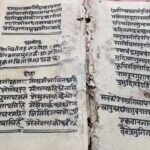
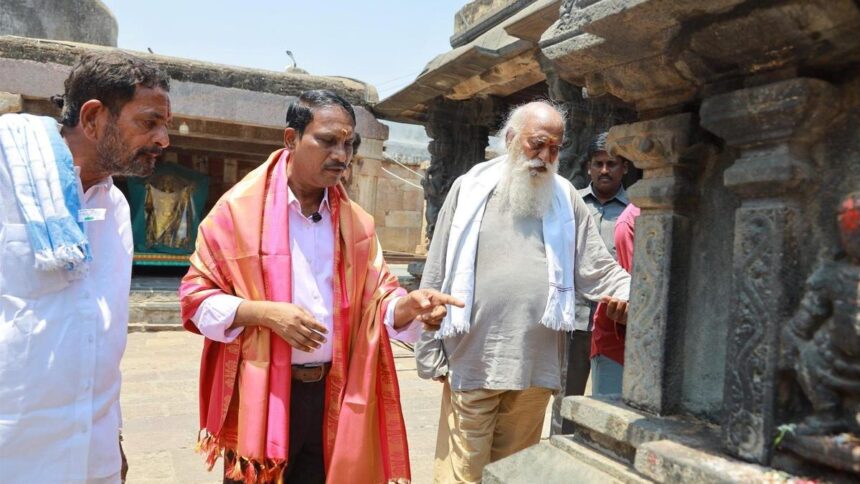
Historian MyNaa Swamy discovered the inscription at Brindavanam, the Tulsi garden of Shree Chintala Venkataramana Swamy Temple in Tadipatri, Anantapur district. Dated Vikari year Shravana Bahula 15, corresponding to August 1539, it describes the garden’s construction adorned with special sculptures honoring the 12 Alwars, Vaishnava saints of Sanatana Dharma.
The Brindavanam features murtis of Bhagavan Vishnu’s four Yuga avatars: Bhagavan Vishnu on the east, Bhagavan Narasimha on the west, Bhagavan Shree Rama on the north, and Bala Krishna on the south. Rare Shivalinga alongside Bhagavan Vishnu’s chakra, conch, and gada symbolizes profound Saiva-Vaishnava harmony under Achyuta Deva Raya’s rule. MyNaa Swamy visited with local leaders J.C. Prabhakar Reddy and MLA J.C. Asmith Reddy to highlight these treasures.
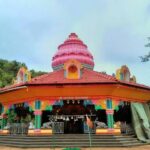
Shree Chintala Venkataramana Swamy Temple embodies the Vijayanagara Empire’s architectural splendor, rivaling Lepakshi and Kadiri. Achyuta Deva Raya, devoted to Lord Venkateswara, patronized temples blending bhakti traditions. The 12 Alwars’ legacy inspires Vaishnava paths within Sanatana Dharma’s vast fold. Such sites preserve Telugu heritage and Hindu temple artistry from centuries past.
This find elevates Tadipatri as a key Hindu pilgrimage and tourism hub in Andhra Pradesh. It calls scholars to document these overlooked gems, ensuring their stories endure.
Achyuta Deva Raya’s legacy proves Sanatana Dharma’s unity transcends sects, standing as eternal inspiration.
Share your thoughts on Tadipatri’s heritage below, follow for Dharmic News, and help promote these sacred sites.