
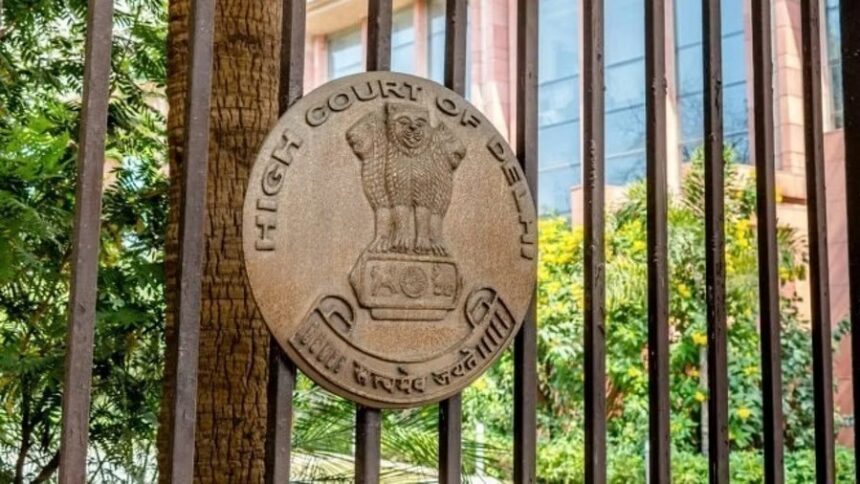
The Delhi High Court has refused to entertain a PIL challenging alleged restrictions imposed by the Jhandewalan temple management on devotees’ access to the deity.
A bench of Chief Justice Devendra Kumar Upadhyaya and Justice Tejas Karia held that the petition was not maintainable under writ jurisdiction. The court said a writ under Article 226 can be issued only against the State or an authority performing a public duty, and that a temple society does not fall in that category.
The petitioner, who claimed he had been visiting the temple since childhood, argued that recent restrictions were preventing most devotees from having proper darshan while allowing access to a few. He said this violated equality and freedom of religion.
But the court rejected the argument that managing a public place automatically amounts to a public function. Chief Justice Upadhyaya remarked, “My difficulty is I can’t run law classes here,” and explained that there is a difference between a public place and a public function.
The bench advised the petitioner to file a civil suit under Section 92 of the Civil Procedure Code if he has grievances about temple management. The petitioner then sought permission to withdraw the PIL, which was dismissed as withdrawn.
When faith meets management, the law still draws clear boundaries.