
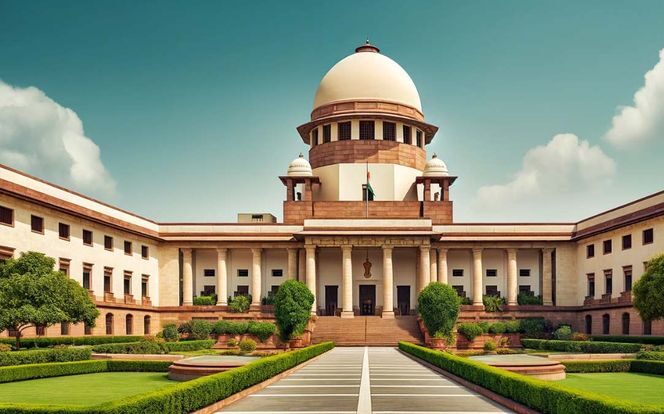
The Supreme Court has sent a clear message against “VIP puja” culture that disturbs temple maryada and favours moneyed devotees over tradition.
In a hearing on the Banke Bihari temple matter, Chief Justice of India Surya Kant criticised the practice of some temple administrations allowing rich and influential people to perform private pujas during the deity’s prescribed resting hours, in violation of customs and ritual discipline. He observed that after the temple doors close at noon, the deity is often not allowed proper “rest” because special paid pujas are arranged for affluent visitors, effectively “exploiting” the deity.
The case arose from a plea by temple sewayats challenging changes in darshan timings and stoppage of certain pujas after a court-appointed management committee began supervising the temple’s daily functioning. Senior advocate Shyam Divan, appearing for the petitioners, stressed that darshan timings are part of an age-old ritual schedule, including set times for waking and putting the deity to rest, and must be treated as sacrosanct.
Divan agreed that any practice of monetised, off-schedule pujas should be firmly proscribed, calling the deity’s rest period “very important” and aligned with tradition. The bench has issued notice to the temple’s administrative committee and will hear the matter in early January 2026.
In the name of bhakti, no one is above the discipline of the temple. When wealth starts buying its way into the garbhagriha during sacred rest hours, it is not devotion, it is distortion