

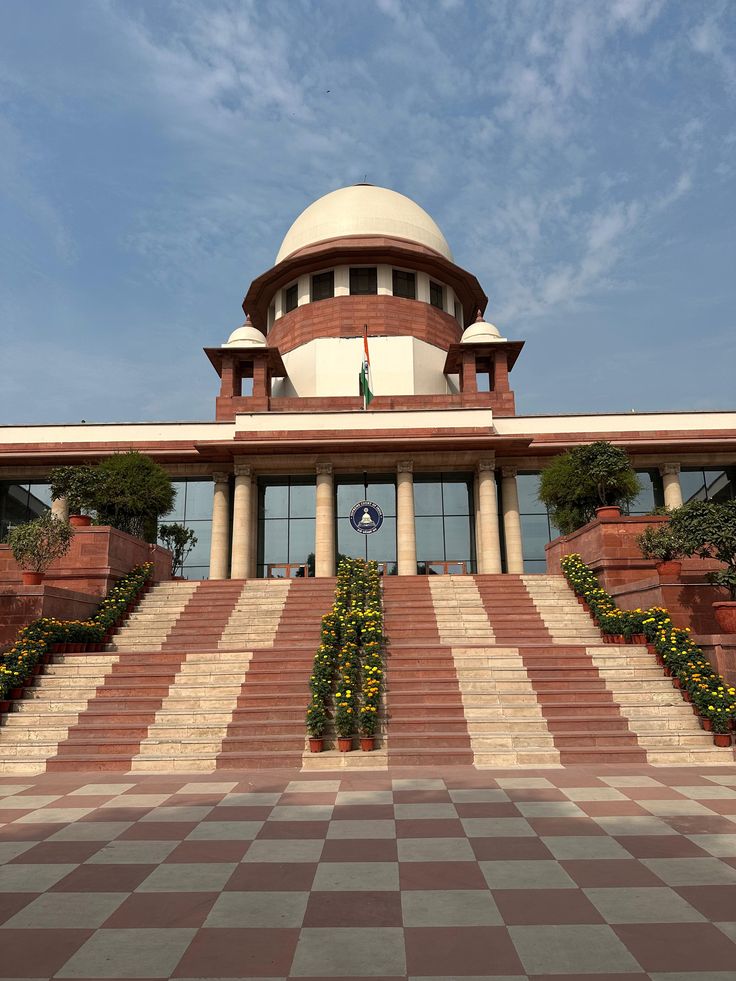
Supreme Court urges Hindu women to make wills amid discriminatory succession law. Property defaults to husband’s heirs, not parents, if woman dies intestate.
The Supreme Court bench of Justice BV Nagarathna and Justice R Mahadevan declined to strike down Section 15(1)(b) of the Hindu Succession Act, 1956, but strongly urged all Hindu women to make wills to protect their property interests. Under current law, if a childless Hindu woman dies intestate without a husband, her self-acquired property passes to her husband’s heirs rather than her own parents or siblings. The provision creates stark inequality where a woman’s natal family receives no inheritance despite potentially supporting and educating her throughout life.
The court dismissed advocate Snidha Mehra’s PIL challenging the provision as violating Articles 14, 15, and 21 of the Constitution. Additional Solicitor General KM Nataraj defended the law as well-crafted, arguing only affected parties should challenge it. Senior Advocate Kapil Sibal countered that women are not chattel anymore and the provision is exclusionary and discriminatory. The court mandated pre-litigation mediation for property disputes between parents and in-laws before court cases can proceed.
Earlier, the court had warned it would be wary of shattering Hindu social structure that has existed for thousands of years merely because of hard cases. This reveals judicial reluctance to correct gender discrimination embedded in personal laws. Rather than striking down discriminatory provisions, the court places burden on women to execute wills, effectively validating patriarchal property rights that treat women as belonging to their husband’s families even after death.