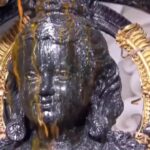


Priest dynasties lose battle over temple wealth as justice upholds divine ownership. Madras High Court ends hereditary grabs of public donations.
The Madurai Bench ruled Hundi collections at public temples constitute public trust for worshippers, not private priest property. Section 55 of the 1970 HR&CE Act amendment abolishes the hereditary priesthood absolutely for notified temples, converting poosaris into salaried servants with a 60-year retirement.
Arulmighu Pandi Muneeswarar Temple in Melamadai saw priest families wage 130+ lawsuits over Hundi shares. The court slammed their luxury spending and litigation over welfare, noting many non-Pooja performers claimed funds. HR&CE must probe misappropriation; the court committee ensures deity money funds temple upkeep only.
Tamil Nadu’s public temples crumble from fund shortages while some priest clans treat offerings as family estates. Pandi Muneeswarar generates ample revenue yet fuels priest infighting. The verdict enforces state oversight, protecting offerings from local families while honoring Sanatana Dharma’s core trusteeship principle.
Frees crores for dilapidated shrines unable to afford daily poojas, securing Tamil Nadu’s ancient Hindu legacy against priestly appropriation.
This ruling fortifies Sanatana Dharma by ensuring every rupee devotees offer reaches divine purpose and temple preservation.
Share your thoughts on protecting temple funds below, subscribe to Dharmic News, and defend our sacred wealth