
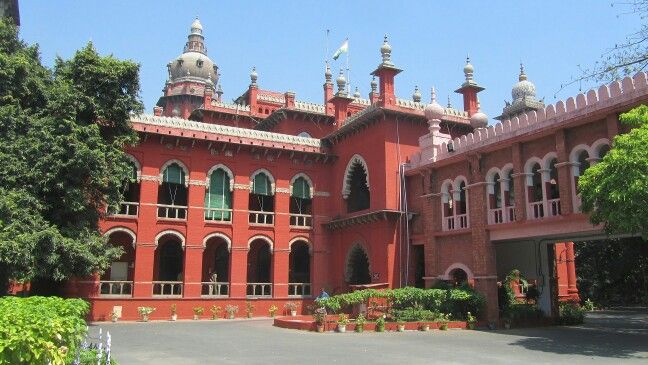
The Madras High Court dismissed the Sri Arulmighu Raajakaliamman Temple trustee’s plea seeking protection for a structure built on encroached government water body land in Ramanathapuram, clarifying Places of Worship Act safeguards religious character, not illegal constructions.
Justices G Jayachandran and KK Ramakrishnan ruled that the 1991 legislation prohibits altering existing places of worship’s religious status as of August 15, 1947, explicitly excluding protection for structures erected post-independence on public property like Orruni Poramboke bunds obstructing public pathways.
Authorities issued Section 128 notices under the Tamil Nadu Local Bodies Act after confirming unauthorized temple construction despite tax payments and electricity connections conferring no legal title. Revenue records classify the site as a water body pathway ineligible for regularization under residential GO provisions.
The verdict reinforces state authority, clearing encroachments, preserving water bodies essential for public welfare, while rejecting dharmic claims legitimizing post-1947 constructions lacking historical continuity or endowments board oversight.
Trustee N Kumar’s repeated representations citing immemorial existence failed against revenue documentation proving recent origins, disqualifying constitutional protections under Articles 14, 25, 26, and 300A for obstructing public resources.
Madras High Court on February 13 upheld Ramanathapuram authorities’ eviction notice against Raajakaliamman Temple on government water body land, ruling Places of Worship Act inapplicable to post-1947 encroachments obstructing public pathways.