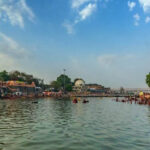

Kashi Vidvat Parishad denounced Masane Ki Holi at Manikarnika and Harishchandra ghats as an unscriptural recent invention unfit for mahashamshan sanctity, where funeral ashes mixed with gulal profane eternal mourning grounds.
Sanskrit scholars invoked shastra prohibitions against non-essential cremation visits, inducing ritual impurity, condemning post-2014 commercialization, enabling youth intoxication, and tarnishing Varanasi’s global yogic image.
Ajay Sharma highlighted event origins in the thandai distribution pretext falsely antiquity-claimed, while Pandit Channulal Mishra clarified that his devotional bhajan neither endorses nor glorifies shamshan revelry.
Gulshan Kapoor countered, citing textual ash-Holi references suppressed under Mughal tyranny later revived, dismissing opposition as financially frustrated, while devotees view the bhasm ritual symbolizing Shiva’s life-death transcendence.
Rising voices from the Dom Raja family demand halting proceedings scheduled post-Rangbhari Ekadashi, ensuring Kashi’s festivals align with agamic dignity over profane spectacles commodifying mortality’s solemn reminder.
Kashi scholars’ firm opposition safeguards Shamshan’s inviolable gravity, rejecting Masane Ki Holi’s festivity intrusion, preserving Varanasi as an eternal moksha pilgrimage untainted by modern distortions.