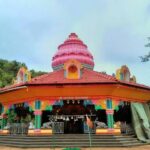


Supreme Court dismissed century-old appeals affirming respondents as hereditary wahiwatdar pujaris entitled to perform rituals at Karnataka’s Amogasidda Samadhi Temple, prioritizing revenue records over 1901 decree claims by appellants.
Justices Prashant Kumar Mishra and K. Vinod Chandran noted British service grants listed respondents’ ancestors exclusively, while appellants’ 1944 possession suit admitted lacking control, contradicting continuous puja assertions spanning generations at Mamatti Gudda.
Trial court partially favored both sides in 1986, but the appellate cascade culminating in the 2012 High Court verdict established the plaintiffs’ unbroken service evidenced by RTC entries, devotee testimonies, and defendants’ self-damaging litigation conduct.
Ruling safeguards agrahara lineage integrity where revenue documentation manifests dharmic continuity, rejecting intermittent claimants whose century-long courtroom battles undermined possession credibility essential to temple stewardship.
Decision reinforces temple authorities honoring phala-dana recipients through ancestral officiants, ensuring saint Amogasidda’s samadhi receives worship untainted by modern possessory disputes fragmenting sacred service obligations.
Concurrent findings eliminate perpetual litigation eroding institutional stability, compelling Jalgeri villagers to embrace rightful pujaris facilitating uninterrupted bhakti toward the Lingayat saint whose legacy demands ritual precision beyond familial contentions.
Supreme Court verdict restores Amogasidda Temple’s hereditary priesthood to proven wahiwatdars, affirming revenue records as authoritative testament safeguarding Karnataka’s ancient agamic service traditions against protracted legal encroachments.