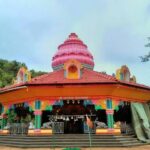

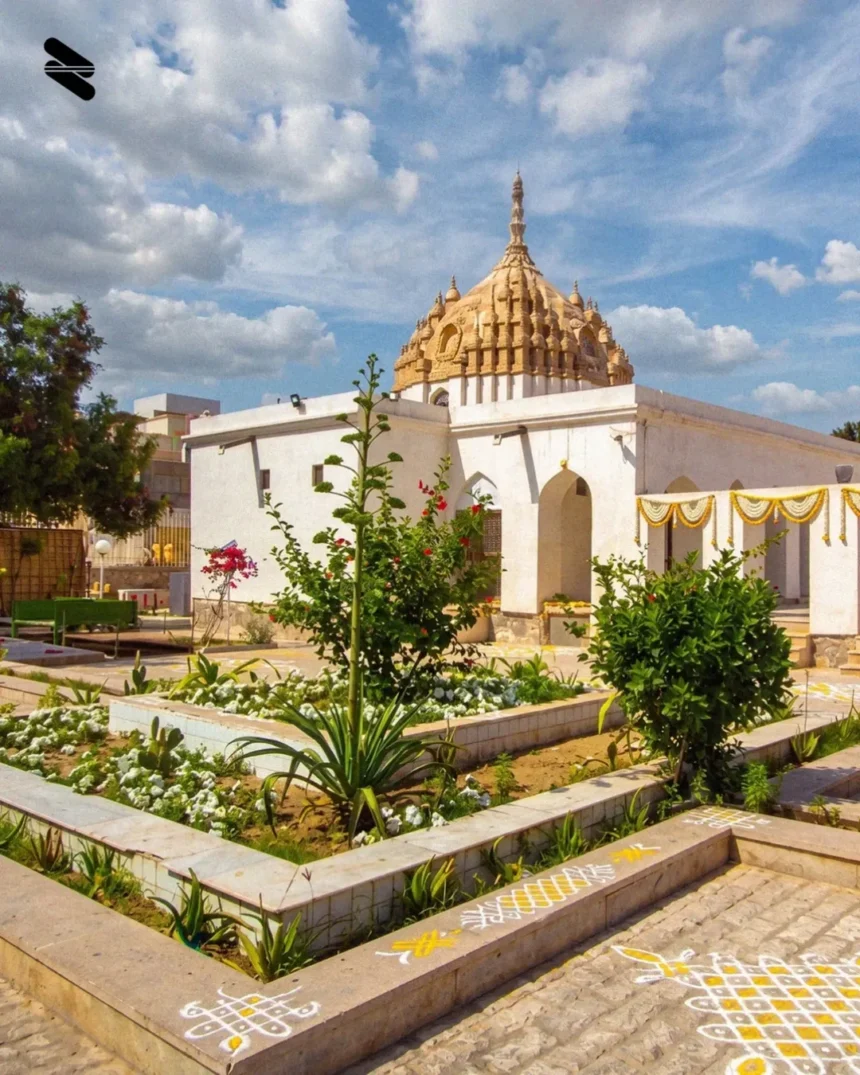
The ancient Hindu Vishnu Temple was built in 1892 during the Qajar era for Hindu traders from India working in the city. According to historical accounts, Mohammad Ali Sadid al-Saltaneh, a 19th-century Iranian historian, mentioned that Indians working for the British Indian Company were permitted to build the temple in 1888. Construction took four years, reflecting peaceful co-existence between the Indian and Iranian communities.
The temple stands as a reminder of a forgotten relationship that once flourished between Indians and Iranians. It is now a registered national historic monument referred to as ‘Gooran’ among natives, as locals call Hindus ‘Goor’ or ‘Gabr’.
The temple features a unique Indo-Iranian architectural style with a central square room covered by an onion-shaped dome with lotus engravings. Construction used mortar, coral stone, mud, and lime chalk. Spiral stairway leads to the rooftop, a classic example of Iranian architecture.
After the 1979 Islamic Revolution, a large number of Indian residents, including Hindus, left Iran. Paintings inside the sanctum have been destroyed, but statues of Buddha, Lord Vishnu, and paintings of Lord Krishna with Radha remain. An adjoining room now serves as a small museum with artefacts, including an old statue of Lord Shiva as Nataraja performing Ananda Tandava.
This sacred shrine embodies Sanatana Dharma’s global reach and enduring legacy in Persia.
The Persian devotional song “Ey Vishnu Jaan, Ey Rama Jaan, Ey Krishna Jaan” echoes continued reverence for Hindu deities.
Follow Dharmic News for updates on Hindu temples worldwide and heritage preservation.