
Bangladeshi Hindu Temple Caretaker’s Hanging Sparks Outrage
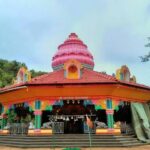
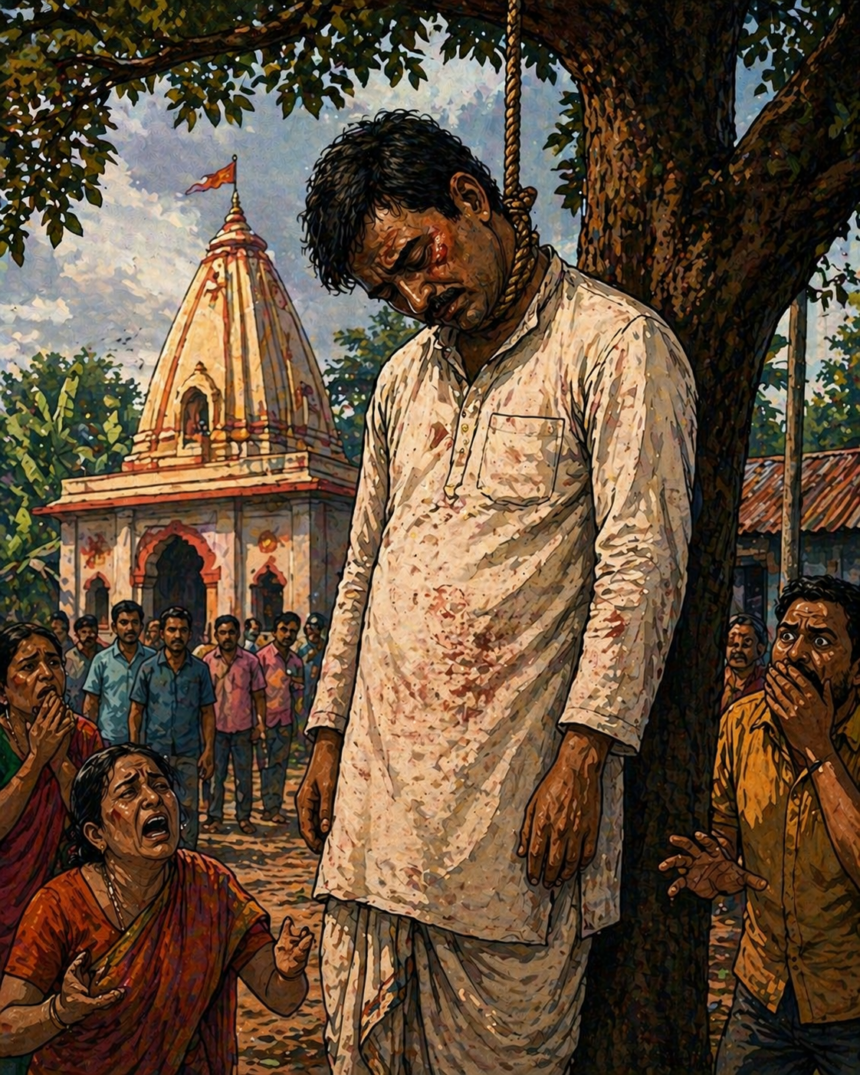
The body of Hindu temple caretaker‑cum‑priest Nayan Sadhu (also reported as Nayan Das), 35–40, was found hanging from a tree in a hilly area on the outskirts of a village in Cox’s Bazar Sadar Upazila, Bangladesh, three days after he went missing from his home in the Dohazari area of Chhattogram district. He was the caretaker‑cum‑priest at a Shivakali or local Shiva‑Kali temple in Khurushkul Union, serving the small Hindu community in the region.
Two unidentified men reportedly took Nayan with them late on the evening of April 19, after which he vanished. His decomposed body was discovered three days later, raising strong suspicions of foul play. Local and Indian media reports mention that marks of injury were seen on the body, and some Hindu groups have described the death as a “brutal” murder, even though police have stated that the exact cause of death will be determined only after an autopsy.
The Bangladesh Hindu Buddhist Christian Unity Council (BHBCUC) and other minority bodies have condemned the incident and demanded immediate arrest and “exemplary punishment” for the perpetrators. BHBCUC has also warned that the killing of an ordinary temple caretaker in a remote area reflects a broader pattern of rising communal violence, noting that 133 incidents of communal attacks, including 25 murders and multiple temple attacks, were reported in Bangladesh between January 1 and March 31, 2026.
While Bangladeshi fact‑check groups have sought to downplay the “communal” narrative, saying stories highlighting it as a targeted Hindu killing are “baseless propaganda,” human‑rights and Hindu‑minority organisations insist that the context of escalating violence against minorities makes this case part of a wider, alarming trend. Police have opened an investigation following a missing‑person complaint filed by Nayan’s wife on April 19; the case is being closely watched by India’s Hindu diaspora and human‑rights groups as a litmus test of how minority‑faith killings are treated in today’s Bangladesh.