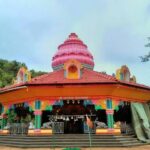

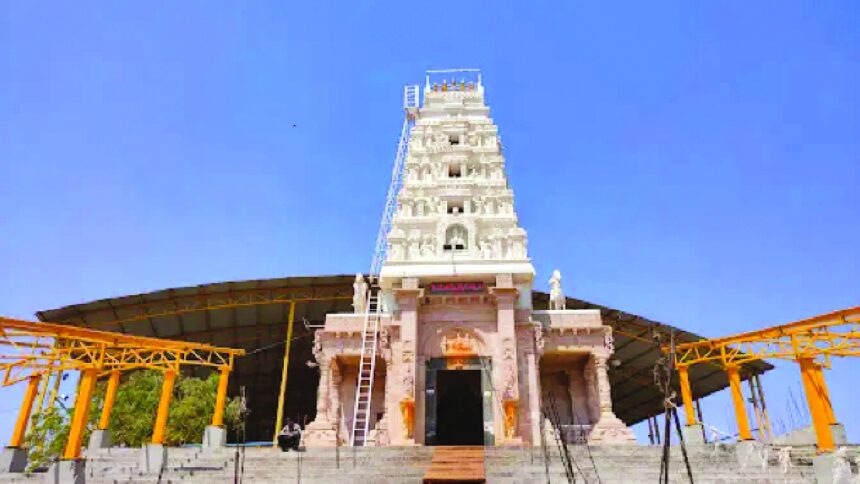
Supreme Court upheld Karnataka High Court verdict affirming respondents as hereditary wahiwatdar pujaris of Amogasidda Samadhi Temple in Jalgeri, dismissing century-old rival claims lacking possession proof and contradicted by appellants’ own 1944 lawsuit.
Justices Prashant Kumar Mishra and K.V. Vinod Chandran prioritized RTC entries documenting respondents’ ancestors receiving British service grants, while appellants’ absence from records exposed the 1901 decree’s evidentiary nullity against continuous puja performance evidenced by devotees.
The court noted appellants’ predecessor implicitly conceded a lack of temple possession through the 1944 possessory action, where settled hereditary claimants require no judicial intervention, establishing a self-defeating litigation pattern undermining the shastric inheritance spanning six centuries.
Article 136 jurisdiction rejected interference absent perversity where concurrent findings meticulously weighed respondents’ documentary continuum against appellants’ vague denials failing to specify obstruction timelines, puja commencement, or possessory assertions essential for wahiwatdar adjudication.
Ruling fortifies Lingayat saint’s samadhi custodianship, ensuring jatra continuity and phala-dana propriety through proven lineage, rejecting intermittent suitors whose courtroom marathons erode institutional stability central to Karnataka’s vachana-era spiritual geography.